

Ogoni 9’ 30th anniversary: Fresh outcry as MOSOP urges Tinubu to address grievances, stop bloodshed in N’Delta
CHIGOZIE AMADI
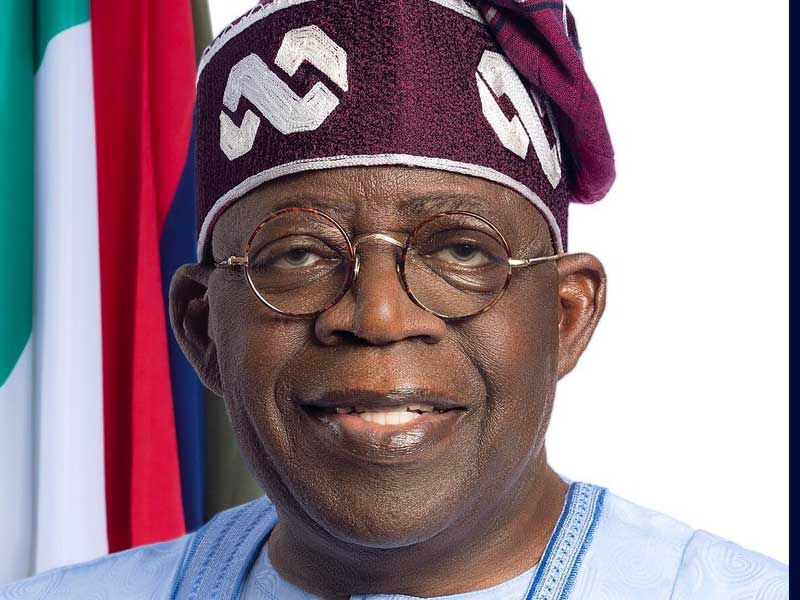
President Bola Tinubu has been urged to take concrete steps to address the long-standing grievances of the Ogoni people and bring an end to the bloodshed in the Niger Delta region.
An environmentalist and former delegate of the Movement for the Survival of Ogoni People (MOSOP) at the United Nations, John Idamkue, made the appeal in a statement issued to newsmen in Port Harcourt on Sunday.
Idamkue called on President Tinubu to wipe out the tears of the Ogoni people as way to commemorate the 30th anniversary of the execution of nine Ogoni activists, including the renowned environmental rights advocate Ken Saro-Wiwa, on November 10th, 2024.
The people of Ogoni ethnic nationality have since then, set aside November 10th every year as Ogoni Martyrs Day or a day of remembrance to honor the “Ogoni Nine,” who were hanged by the military regime of General Sani Abacha on November 10, 1995, for their campaign against the environmental degradation of Ogoniland by oil companies, particularly Shell.
Events like candlelight vigils as well as Memorial services and reflections on the Ogoni struggle for environmental and social justice, are usually held the night before (November 10th) or on the day itself.
Ahead of this year’s celebration, Idamkue, a former trusted aide to Late Ken Saro-Wiwa, has expressed concerns that successive Nigerian governments had abandoned the Ogoni ethnic nationality and failed to address issues which the late environmental activist, Saro-Wiwa, advocated for.
The statement reads in part, “I call on President Bola Tinubu to wipe the tears of the Ogoni people and end the bloodshed in the Niger Delta.
Tinubu’s Ogoni Dialogue Committee’s flippancy with confidence-building measures must begin with mitigation of the harm and injustice done to the victims of military repression in Ogoni.
“Tinubu should right the wrongs done to our people. The traumatic impacts of state violence on our people have festered for thirty years.
Mitigation measures must include, but not be limited to, psychological evaluation and counselling of the victims, rebuilding the homes and villages that were destroyed by the military, compensating and restoring those who lost their livelihood, and environmental remediation of pollution sites.”
Idamkue lamented that besides the deaths of 13 illustrious sons of Ogoniland popularly referred to as “Ogoni 4 and 9”, over 4,000 natives have lost their lives in the struggle for environmental justice and no one has been held accountable for the killings.
He said “Besides the Ogoni 4 and Ogoni 9, more than 4,000 other Ogoni victims perished in the course of the struggle particularly during the sponsored raids from Andoni territory, killings of Ogoni traders travelling from Cameroon, killing of Ogoni people at the Port Harcourt waterfronts, and the destruction of several villages in the Ban Ogoni Special Area by the Internal Security Task Force.
“In the wake of the unfortunate killing of the Ogoni 4 and after the hanging of the Ogoni 9, Col. Dauda Komo deployed hundreds of troops and the Internal Security Task Force, who rampaged and terrorized our people, raped the women, and engaged in cruel, inhuman and degrading treatment of our people.
No one has been held accountable for the crimes committed against the Ogoni people.”
According to him, the Ogoni struggle elevated the pro-democracy struggle against the dictatorship of late General Sani Abacha in Nigeria.
He added that the Ogoni struggle was also the rallying point of the pro-democracy movement, especially in the diaspora, as President Tinubu has acknowledged in multiple public pronouncements.
“Policy initiatives like the Niger Delta Development Commission (NDDC), the Hydrocarbon Pollution Remediation Project (HYPREP), and the change of derivation principle of revenue sharing for oil-producing states from 3% to 13%.
The United Nations Environmental Program (UNEP) Report and the Petroleum Industry Act 2021 are primarily attributable to the sweat and struggle of the Ogoni people and supported by the citizens of the Niger Delta.
“We would not forget the suffering, hardship, environmental pollution, and human rights violations visited upon the Ogoni people by successive Nigerian government and transnational oil companies as documented by the United Nations Fact-finding Mission to Nigeria, Justice Oputa Panel, UNEP Report, Major Paul Taiwo Panel Report, and other reports by Civil Liberties Organization, Human Rights Watch, Amnesty International, Greenpeace, and PEN-WEST USA.”
The environmentalist described Saro-Wiwa as a patriot who provided inspiring and aspirational leadership to set the pace for environmental consciousness in the Niger Delta.
