

Nigeria’s financial reforms ‘ve strengthened stock resistance, investor confidence — CBN Gov
CHIGOZIE AMADI
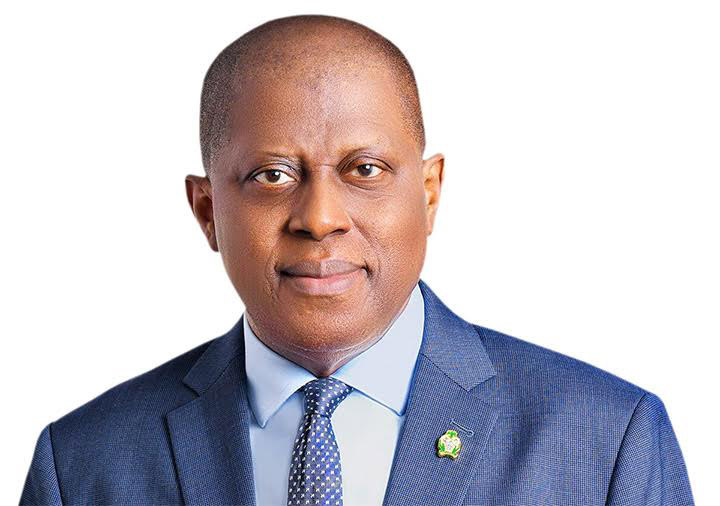
Governor of the Central Bank of Nigeria (CBN), Mr. Olayemi Cardoso, says Nigeria’s recent monetary and financial sector reforms have built a stronger capacity to withstand external shocks and restored confidence in the economy.
Speaking at the Africa Capital Forum in London, on the sidelines of President Bola Ahmed Tinubu’s state visit to the United Kingdom, Cardoso told investors and development partners that the Central Bank had “created stronger capacity to withstand shocks” through disciplined policy and institutional reforms.
According to the Governor, Nigeria’s foreign exchange market now enjoys far greater transparency and liquidity, with a new FX manual eliminating many former capital control measures and simplifying trade and investment processes.
He announced that the Bank had also finalised a new Payments System Vision for Nigeria, to be launched soon, aimed at positioning the country as a regional leader in digital and cross-border payments.
Cardoso reported significant progress in the bank recapitalisation programme, noting that more than 30 banks have met the new capital requirements, with verification ongoing for the rest.
“About 28 per cent of investment in the recapitalisation came from foreign sources,” he said, adding that the outcome reflected renewed confidence in Nigeria’s financial stability.
He further explained that diaspora remittances had grown significantly, helping diversify the country’s foreign exchange reserves, which are now more resilient to global volatility.
Speaking further, Cardoso said, “Our focus going forward is to protect the hard earned stability we have accomplished so investors and stakeholders can plan with confidence.
He added that the CBN under his leadership would remain open and transparent, provide constant communication, and raise the bar of the people’s expectations, to guard against past missteps.
Highlighting the Bank’s digital finance agenda, Cardoso said the CBN was working closely with Nigeria’s fintech sector to address regulatory and operational bottlenecks and support innovation that strengthens financial inclusion across Africa.
He also reaffirmed the importance of close collaboration between fiscal and monetary authorities, noting that the presence of representatives of the fiscal authorities on the CBN Board and Monetary Policy Committee “engenders the coordination that is so critical for sustainable growth.”
Cardoso confirmed that inflation had fallen sharply, exchange rate stability had improved, and reforms had positioned Nigeria’s economy “for significant growth driven by domestic investment, oil sector reforms, and renewed global trust.”
“We will continue to maintain stability, not only on inflation, but in the FX market, with more transparency and consistent reporting,” he said.
On inflation, he said the CBN would remain vigilant to ensure inflation is managed as effectively as possible.
The Governor noted that Nigeria’s macroeconomic reforms have shifted the country from a phase of stabilisation to one of capital mobilisation, encouraging investors to see Nigeria as “an economy to watch very closely” as its growth drivers deepen and its banking system becomes one of the strongest in Africa.
Also speaking on the Bank’s policies, Gov. Cardoso said the Management was reviewing them with a view to developing meaningful policies and establishing a predictable policy framework to minimise discretion.
