

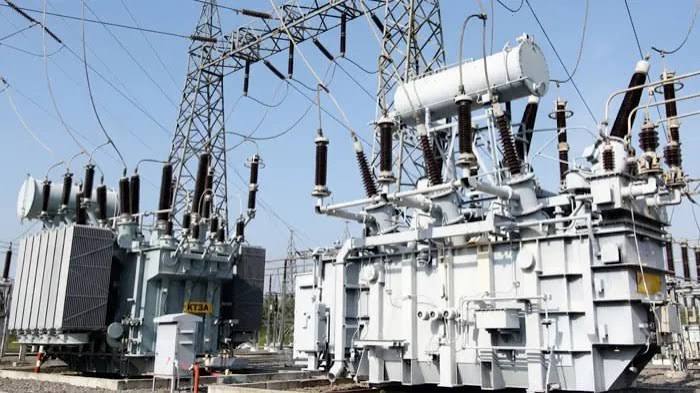
.as FG, regulators, industry unite to unlock power investment, fix grid
The Lagos State Government has reiterated its commitment to achieving a reliable, affordable and sustainable electricity market as government officials, regulators, energy industry leaders and investors converged at the Lagos Energy Summit 2026 to chart practical pathways towards a 24/7 electricity economy.
Held at the Landmark Event Centre, Lagos, under the theme “Lagos Energy Evolution – Transforming the Future,” the two-day summit brought together key stakeholders across the electricity value chain to discuss investment opportunities, regulatory reforms, infrastructure development and innovative solutions to Lagos State’s growing energy needs.
In his opening address, the Honourable Commissioner for Energy and Mineral Resources, Mr Biodun Ogunleye, described electricity as a critical foundation for economic competitiveness, industrialisation and sustainable development. He challenged participants to move beyond discussions and develop practical partnerships, clear responsibilities and measurable milestones that would translate into improved electricity supply.
Highlighting the scale of Lagos’ energy demand, the Commissioner noted that the state requires approximately 12,000 megawatts of electricity, while supply from the national grid remains significantly below demand. He also referenced the Beyond Gensets study, which highlights the enormous commercial and investment opportunities within Lagos’ existing off-grid generation market.
The Commissioner further outlined the state’s Seven-Point Energy Agenda, focusing on federal-state regulatory cooperation, electricity market sustainability, wheeling and off-grid generation frameworks, embedded generation, distribution infrastructure and metering expansion, effective subnational regulation and modern technology deployment.
Speaking on behalf of the Honourable Minister of Power, Chief Joseph Olasunkanmi Tegbe, Mr Taiwo Ajetunmobi, Special Adviser on Finance, highlighted the Federal Government’s priorities around stabilising electricity supply, improving sector liquidity, optimising existing infrastructure and expanding the national grid to support growing energy demand.
Representing the Special Adviser on Power to the President, Engr. Achinaya emphasised the importance of stronger collaboration between the Federal Government and subnational governments in advancing electricity sector reforms and delivering sustainable power solutions. His contribution reinforced the need for coordinated interventions and strategic partnerships to achieve the country’s electricity objectives.
Also speaking, Hon. Sabur Akanbi Oluwa, Chairman, Lagos State House of Assembly Committee on Energy and Mineral Resources, reaffirmed the legislature’s readiness to support initiatives that would promote reliable, affordable and sustainable electricity for Lagos residents and businesses.
In another presentation, Engr. Alonge Longe, representing the Chief Executive Officer of Seplat Energy, Engr. Effiong Udofia Okon, emphasised the importance of gas-to-power in supporting industrial development, manufacturing and critical infrastructure. He advocated energy solutions that consider customers’ needs, long-term costs and operational sustainability.
Technical and plenary sessions examined critical challenges facing the electricity market, including sustainable metering, reduction of distribution losses, investment financing, accurate billing, customer confidence and infrastructure development.
A dedicated session on urban mobility also explored opportunities in Compressed Natural Gas (CNG) conversion, electric vehicle adoption, affordable financing and the development of supporting infrastructure.
The summit further clarified that Lagos is not disconnecting from the national grid but is strengthening local electricity networks and exploring diversified supply arrangements to improve energy security and system resilience.
The Lagos State Electricity Regulatory Commission (LASERC), established under the Lagos State Electricity Law 2024, remains central to the development of the state’s electricity market through effective regulatory oversight, consumer protection and the promotion of a transparent and sustainable operating environment.
Another highlight was the Lagos Cleaner Energy Schools Innovation Challenge (LCESIC) 2026, which featured students from fifteen secondary schools presenting innovative ideas to promote cleaner energy solutions.
As the summit proceeds into Day Two, stakeholders are expected to continue discussions on project financing, gas pricing, infrastructure development and practical strategies for expanding reliable electricity supply across Lagos.
The conversations reinforced one fundamental message: achieving a 24/7 electricity economy requires strong institutional collaboration, effective regulation, sustained investment and shared responsibility.
For Lagos, the energy evolution is about more than increasing electricity supply; it is about building a resilient power market that supports businesses, empowers communities and drives sustainable economic growth.
