

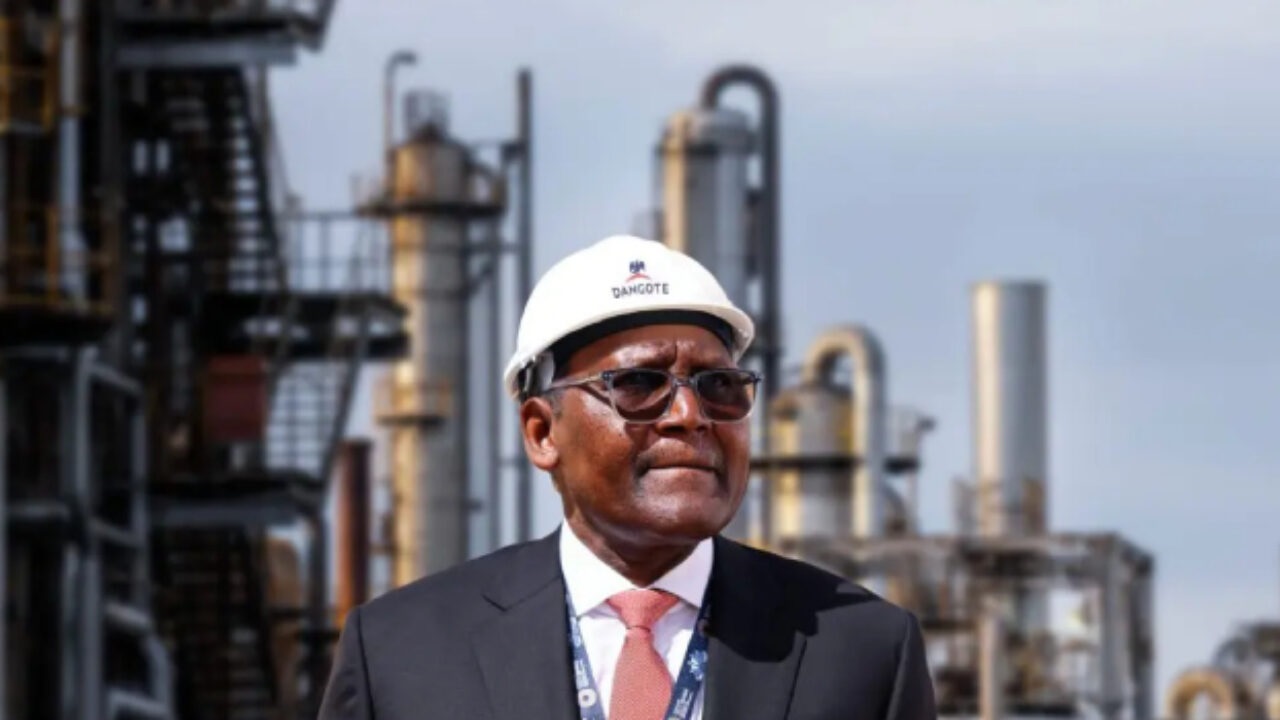
Dangote Refinery to cut petrol price as crude oil slumps after US-Iran peace deal
CHIGOZIE AMADI
Relief may soon be on the way for Nigerian motorists as petrol prices are expected to decline following a sharp drop in global crude oil prices triggered by a peace agreement between the United States and Iran.
The peace deal announced by all parties to the conflict ended three months of military exercise in the Middle East and paved the way for the reopening of the strategic Strait of Hormuz.
Industry analysts said the fall in international crude prices is likely to compel the Dangote Petroleum Refinery to immediately review its ex-depot petrol prices downward and floow downward trends in oil price expected in the coming days, reversing a trend of increases that accompanied the prolonged disruption of global oil supplies during the war.
As the dominant supplier in Nigeria’s deregulated fuel market, the refinery’s pricing decisions have a significant impact on pump prices across the country.
The expectation follows a dramatic retreat in oil prices on Monday after Washington and Tehran announced a framework agreement to halt hostilities and restore shipping through the Strait of Hormuz, a waterway through which roughly one-fifth of global oil supplies normally pass.
Brent crude, the international benchmark, fell by nearly five per cent to around $83 per barrel, while U.S. crude dropped to about $80 per barrel, marking their lowest levels since March.
The decline represents a significant reversal from the peak of the conflict when fears of prolonged disruption to Middle East energy exports pushed Brent crude above $120 per barrel.
Before the outbreak of hostilities in late February, oil prices had traded below $70 per barrel, reflecting relatively stable global supply conditions.
The war dramatically altered that outlook as fighting between the United States, Israel and Iran, alongside regional allies including Hezbollah and the Houthi movement, disrupted shipping routes and severely restricted movement through the Strait of Hormuz.
The closure of the critical passageway stranded hundreds of vessels and raised fears of a prolonged global energy crisis, sending oil prices soaring and fueling inflationary pressures across economies worldwide.
Nigeria experienced both the benefits and burdens of the crisis as higher crude prices boosted government revenue and strengthened earnings from oil exports, but consumers bore the cost through rising fuel prices.
With petrol prices fully deregulated following the removal of subsidy, domestic consumers became directly exposed to fluctuations in international oil markets.
During the height of the crisis, petrol prices in parts of Nigeria rose sharply as refiners and marketers adjusted to increasing crude costs.
The Dangote Refinery, which relies on market-based pricing, raised product prices in response to the sustained rally in global oil markets, contributing to higher pump prices nationwide.
The latest peace agreement has now changed market sentiment as investors and traders increasingly bet that the resumption of oil exports from the Gulf region will ease supply shortages that emerged during the conflict.
Analysts say more than 200 vessels that had been delayed by the crisis are expected to gradually resume operations, increasing the flow of crude to global markets and exerting further downward pressure on prices.
Although experts caution that it may take several weeks for oil production, shipping logistics and insurance arrangements to fully normalize, the immediate reaction of the market has been overwhelmingly positive.
Global equity markets rallied while oil prices recorded their steepest decline in months amid expectations that the worst of the supply disruption may be over.
For Nigeria, where fuel prices are increasingly tied to international crude movements, the development raises hope of a reduction in petrol costs and some relief from inflationary pressures that have strained household budgets for much of the year.
Market observers said that if Brent crude remains around current levels or declines further as oil flows through the Strait of Hormuz normalize, the Dangote Refinery could announce a fresh downward review of petrol prices, potentially setting the stage for broader reductions at filling stations across the country.
